projects
Roughly ordered by how much they hurt to build. Everything has source code, and the live demos are all real, so feel free to poke at them.
latent diffusion from scratch
Rectified-flow latent diffusion in an MMDiT-style architecture, written from the paper up in PyTorch. This is the fifth iteration over eight months; the earlier attempts wouldn't train stably until I rebuilt the data pipeline. The demo samples 256px images from my trained checkpoint.

homegrown LLM
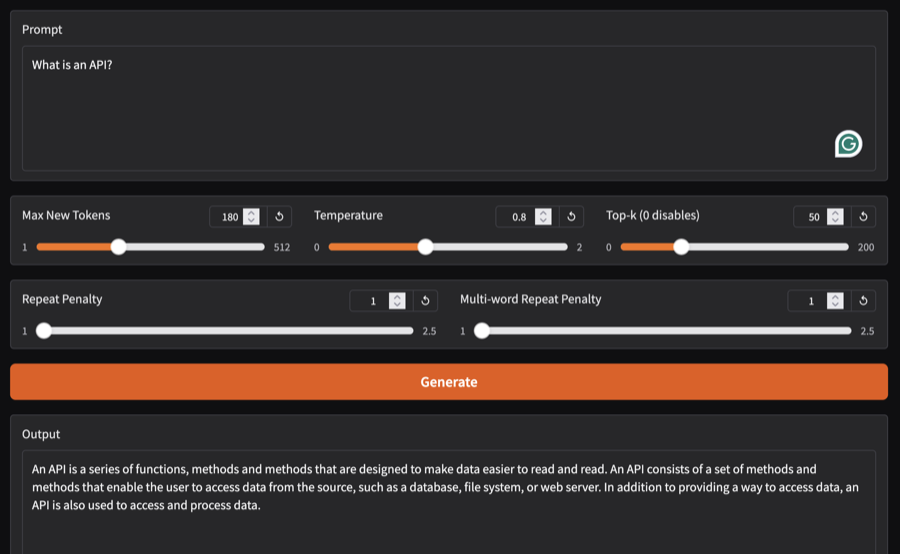
A transformer language model pretrained from scratch, then instruction-tuned. Third in an eight-month line of from-scratch LMs, after an autocomplete model and a first chat model. You can chat with it in your browser.
NeuroZip (3rd place, QBI Hackathon @ UCSF)
A task-aware neural codec for brain recordings. Instead of compressing EEG to preserve the waveform, it compresses to preserve meaning: what the person was looking at. At 144x compression the result is still searchable by free text. Built with Avinash Senthil; won $1,000 plus $10,000 in grants.

OpenAI parameter golf
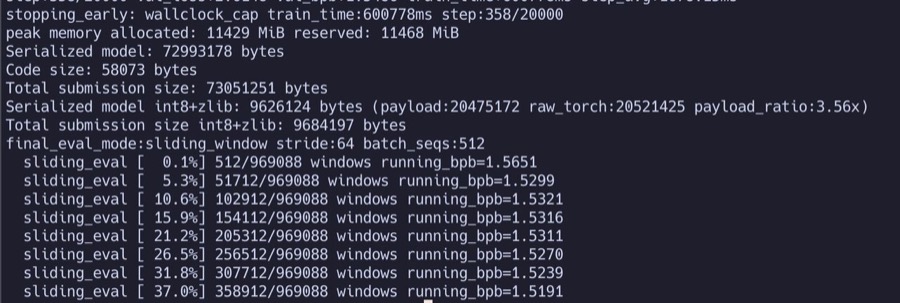
OpenAI's challenge: train the best language model under 16MB. Mine reached 1.5126 bits/byte in a 600-second window on a single A5000, packed to 9.6MB with int8 + zlib.
V-JEPA world model
A self-supervised video world model, hand-written from scratch in PyTorch. Training was stable, with no representation collapse and the loss converging cleanly, though I haven't run downstream evaluation yet.
Vesta, surveillance engine
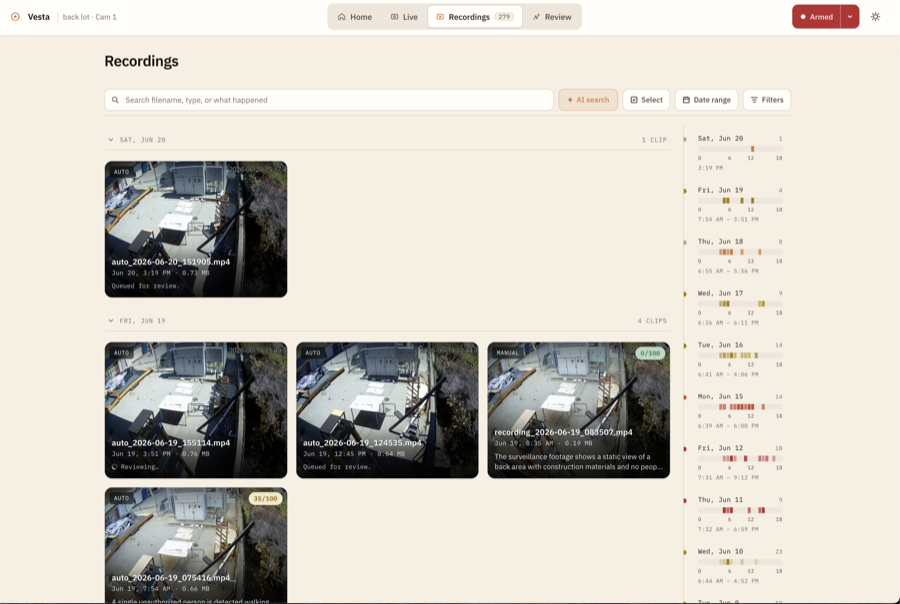
Built for my high school to deter and detect theft across multiple cameras. YOLO triggers recording on people; a vision-language model scores each clip for threats and makes the archive searchable in plain language. Runs entirely on local hardware, no cloud.
OtterAgent (Best AI Hack, Synthesis Hacks @ Google)
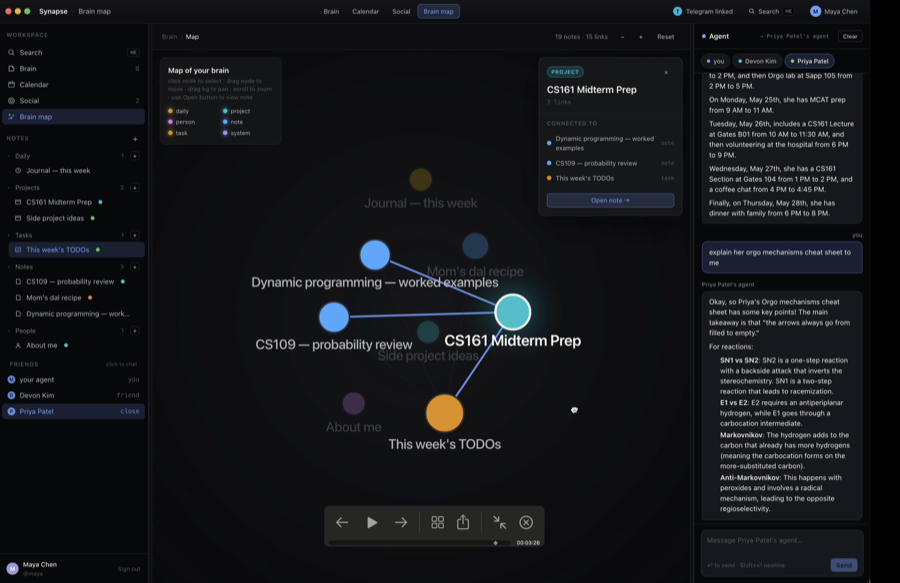
A social network where AI agents negotiate on your behalf, managing calendars, notes, and tasks under scoped permissions.
btop, with macOS GPU
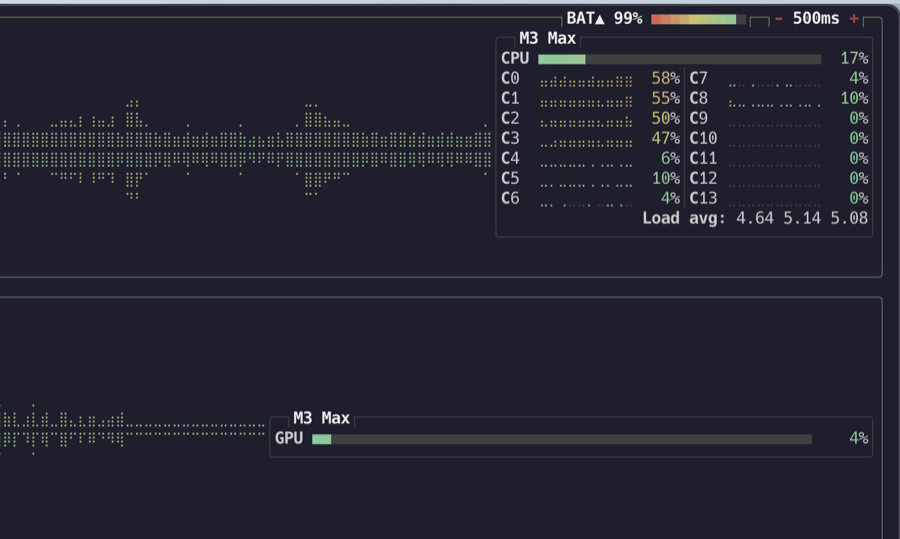
GPU telemetry in btop for Apple Silicon PyTorch users, no sudo required. C++, because the original is.